How Does Oud Actually Smell Like?
April 14, 2026
Oud is often called “liquid gold” in the fragrance world—not because of a single scent, but because of its extraordinary complexity. Unlike synthetic perfumes that smell largely the same from start to finish, pure oud is alive with constant evolution.
Oud is often called “liquid gold” in the fragrance world—not because of a single scent, but because of its extraordinary complexity. Unlike synthetic perfumes that smell largely the same from start to finish, pure oud is alive with constant evolution. Every region, every tree, and every distillation creates a unique olfactory journey.
The opening can range from fresh green woods, aromatic herbs, cardamom, and sweet resin to earthy soil, damp forest, leather, or smoky nuances, depending on the origin and style of distillation. Some ouds begin bright and elegant, while others open with a bold, animalic intensity that gradually softens.
As the fragrance settles, its heart reveals remarkable depth. Notes of aged wood, warm spices, tobacco, honey, dried fruits, dark chocolate, incense, amber, and soft florals may emerge, creating a rich, multidimensional character. This stage is where the true personality of an oud begins to shine.
In the dry-down, oud becomes smoother, warmer, and more intimate. It often leaves behind a luxurious trail of creamy woods, golden amber, soft musk, sweet resin, and lingering earthy warmth that can remain close to the skin for many hours. The scent feels refined, meditative, and deeply comforting.
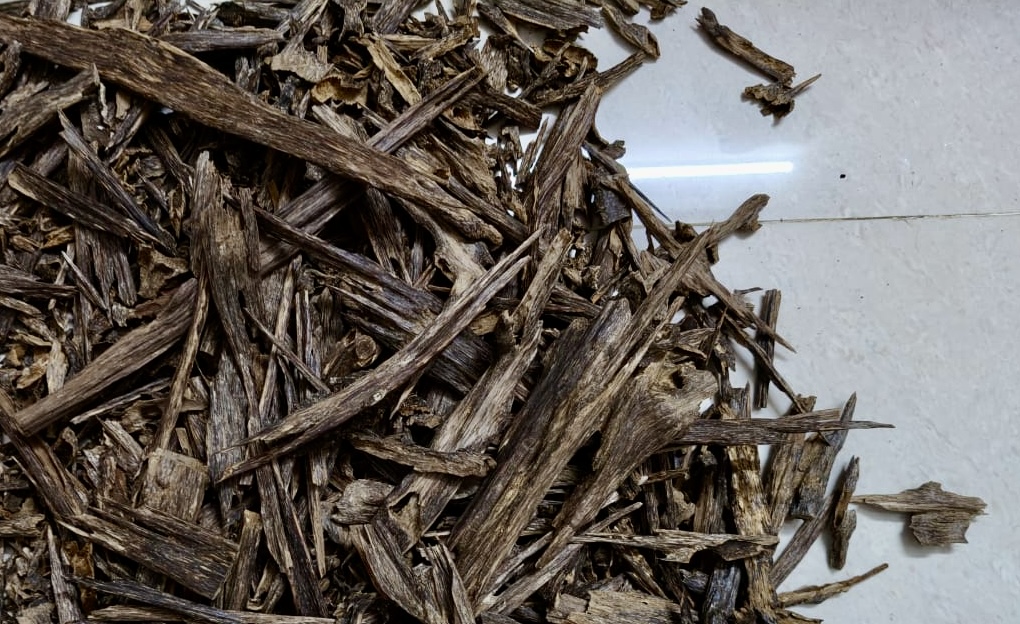
What makes oud truly exceptional is that no two genuine oud oils smell exactly alike. The aroma is shaped by the species of agarwood, the climate, the age of the resin, and the distiller’s craftsmanship. An Assamese oud can be deep and leathery, a Nagaland oud can feel vibrant and green, while a Cambodian oud may lean sweeter and fruitier.
Oud doesn’t simply smell like wood—it smells like time, nature, and craftsmanship distilled into a single drop.